Buy junba.net ?
We are moving the project
junba.net .
Are you interested in purchasing the domain
junba.net ?
domain@kv-gmbh.de · 0541-91531010
Buy junba.net ?
How do you transform an object clause or a subject clause into a dependent clause (subordinate clause)?
To transform an object clause or a subject clause into a dependent clause, you can add a subordinating conjunction at the beginning of the clause. For example, changing "I know that he is coming" (object clause) to "I know when he is coming" (dependent clause). Another way is to remove the subject or object pronoun and change the verb form to make it dependent on the main clause. For instance, changing "She believes she can win" (subject clause) to "She believes she can win" (dependent clause). **
Is an infinitive clause a subordinate clause?
Yes, an infinitive clause is a type of subordinate clause. It functions as a single unit within a sentence and is dependent on the main clause for its meaning. Infinitive clauses typically begin with the word "to" followed by a verb, and they can serve various purposes such as expressing purpose, result, or obligation. **

Similar search terms for Clause
Top-Angebote
Products related to Clause:
-
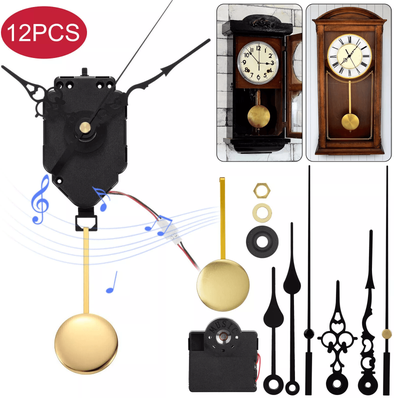
Drop Dash Deals DIY Pendulum Clock Mechanism, Replacement Movement Set With Music, Chime Box, And Clock Hands DIY Pendulum Clock Mechanism, Replacement Movement Set With Music, Chime Box, And Clock HandsElegant DIY Clock Movement Set: Enhance your home decor with this Replacement Wall Clock Movement Kit. It includes everything you need to create your own clock, including two pairs of clock hands, a chime box, and a pendulum. Perfect for those who...43,97 $*Shipping: 0,00 $Secure redirect to the provider
-
Uplift Essentials Coffee Culture Series Modern Espresso & Latte Canvas Art espresso 16 X 20 InCelebrate the art of the brew with our Coffee Culture Poster Series. This collection captures the sophisticated world of specialty coffeefrom the bold layers of an Espresso to the velvety texture of a Cortado. Featuring a blend of modern typography...88,97 $*Shipping: 0,00 $Secure redirect to the provider
-
Uplift Essentials Coffee Culture Series Modern Espresso & Latte Canvas Art espresso 20 X 28 InCelebrate the art of the brew with our Coffee Culture Poster Series. This collection captures the sophisticated world of specialty coffeefrom the bold layers of an Espresso to the velvety texture of a Cortado. Featuring a blend of modern typography...109,97 $*Shipping: 0,00 $Secure redirect to the provider
-
Uplift Essentials Coffee Culture Series Modern Espresso & Latte Canvas Art espresso 24 X 35 InCelebrate the art of the brew with our Coffee Culture Poster Series. This collection captures the sophisticated world of specialty coffeefrom the bold layers of an Espresso to the velvety texture of a Cortado. Featuring a blend of modern typography...131,97 $*Shipping: 0,00 $Secure redirect to the provider


-
What are main clause-subordinate clause constructions?
Main clause-subordinate clause constructions are sentences that consist of a main clause and one or more subordinate clauses. The main clause is a complete sentence that can stand alone, while the subordinate clause depends on the main clause for its meaning and cannot stand alone. Subordinate clauses often begin with subordinating conjunctions such as "because," "although," "if," or "when," and they provide additional information or context to the main clause. These constructions allow for more complex and nuanced sentence structures, and they are commonly used in both spoken and written language. **
-
Can an adverbial clause also be a subject clause or an object clause?
No, an adverbial clause cannot be a subject clause or an object clause. An adverbial clause functions as an adverb to modify a verb, adjective, or adverb in a sentence. Subject clauses and object clauses, on the other hand, serve as the subject or object of the main clause, respectively. Each type of clause has a specific grammatical function within a sentence. **
-
Is the main clause and subordinate clause correct?
To determine if the main clause and subordinate clause are correct, you need to ensure that they are grammatically sound and that they make sense when combined. The main clause should be able to stand alone as a complete sentence, while the subordinate clause provides additional information but cannot stand alone. Checking for subject-verb agreement and proper punctuation between the two clauses can help confirm their correctness. **
-
How do I recognize a relative clause, a conjunctional clause, and an interrogative clause?
A relative clause typically starts with a relative pronoun (such as who, whom, whose, which, or that) and provides more information about a noun in the main clause. A conjunctional clause, on the other hand, is introduced by a conjunction (such as and, but, or because) and connects two independent clauses. An interrogative clause is a type of clause that asks a question and is typically introduced by an interrogative pronoun (such as who, what, when, where, why, or how) or an interrogative adverb (such as how, when, or where). **


How can I recognize a relative clause, a conjunctional clause, and an interrogative clause?
A relative clause is a type of dependent clause that typically starts with a relative pronoun (such as who, whom, whose, which, or that) and provides additional information about a noun in the main clause. A conjunctional clause, on the other hand, is a dependent clause that functions as an adverb, adjective, or noun in a sentence and is connected to the main clause by a conjunction (such as because, although, if, when, etc.). An interrogative clause is a type of clause that asks a question and typically begins with a question word (such as who, what, where, when, why, or how) or with a helping verb followed by the subject. **
Is the accompanying clause in direct speech a main clause or a subordinate clause?
The accompanying clause in direct speech can be either a main clause or a subordinate clause, depending on its role in the sentence. If the clause is expressing a complete thought and can stand alone as a sentence, then it is a main clause. However, if the clause is dependent on the rest of the sentence for its meaning and cannot stand alone, then it is a subordinate clause. It's important to consider the context and structure of the sentence to determine the role of the accompanying clause in direct speech. **
Top-Angebote
Products related to Clause:
-
DynamicDeals Quartz Clock Movement Mechanism With Chime Music Box, DIY Replacement Repair Parts Kit, Pendulum Clock Movement For Wall Quartz Clock Movement Mechanism With Chime Music Box, DIY Replacement Repair Parts Kit, Pendulum Clock Movement For WallUpgrade and restore your favorite timepieces with our Quartz Clock Movement Mechanism featuring a Chime Music Box and DIY Replacement Repair Parts Kit. Designed for hobbyists, crafters, and clock repair professionals, this kit includes everything...41,97 $*Shipping: 0,00 $Secure redirect to the provider
-
Drop Dash Deals Pendulum Clock Movement Kit Chime Music Box Mechanism DIY Repair Parts For Wall Clocks Pendulum Clock Movement Kit Chime Music Box Mechanism DIY Repair Parts For Wall ClocksBring your cherished clock back to life with this 12pcs pendulum clock movement kit, designed for those who love DIY clock repair. Whether you're a hobbyist or just looking to restore a treasured timepiece, this kit offers everything you need,...49,97 $*Shipping: 0,00 $Secure redirect to the provider
-
Drop Dash Deals DIY Pendulum Clock Mechanism, Replacement Movement Set With Music, Chime Box, And Clock Hands DIY Pendulum Clock Mechanism, Replacement Movement Set With Music, Chime Box, And Clock HandsElegant DIY Clock Movement Set: Enhance your home decor with this Replacement Wall Clock Movement Kit. It includes everything you need to create your own clock, including two pairs of clock hands, a chime box, and a pendulum. Perfect for those who...43,97 $*Shipping: 0,00 $Secure redirect to the provider
-
Uplift Essentials Coffee Culture Series Modern Espresso & Latte Canvas Art espresso 16 X 20 InCelebrate the art of the brew with our Coffee Culture Poster Series. This collection captures the sophisticated world of specialty coffeefrom the bold layers of an Espresso to the velvety texture of a Cortado. Featuring a blend of modern typography...88,97 $*Shipping: 0,00 $Secure redirect to the provider
-
How do you transform an object clause or a subject clause into a dependent clause (subordinate clause)?
To transform an object clause or a subject clause into a dependent clause, you can add a subordinating conjunction at the beginning of the clause. For example, changing "I know that he is coming" (object clause) to "I know when he is coming" (dependent clause). Another way is to remove the subject or object pronoun and change the verb form to make it dependent on the main clause. For instance, changing "She believes she can win" (subject clause) to "She believes she can win" (dependent clause). **
-
Is an infinitive clause a subordinate clause?
Yes, an infinitive clause is a type of subordinate clause. It functions as a single unit within a sentence and is dependent on the main clause for its meaning. Infinitive clauses typically begin with the word "to" followed by a verb, and they can serve various purposes such as expressing purpose, result, or obligation. **
-
What are main clause-subordinate clause constructions?
Main clause-subordinate clause constructions are sentences that consist of a main clause and one or more subordinate clauses. The main clause is a complete sentence that can stand alone, while the subordinate clause depends on the main clause for its meaning and cannot stand alone. Subordinate clauses often begin with subordinating conjunctions such as "because," "although," "if," or "when," and they provide additional information or context to the main clause. These constructions allow for more complex and nuanced sentence structures, and they are commonly used in both spoken and written language. **
-
Can an adverbial clause also be a subject clause or an object clause?
No, an adverbial clause cannot be a subject clause or an object clause. An adverbial clause functions as an adverb to modify a verb, adjective, or adverb in a sentence. Subject clauses and object clauses, on the other hand, serve as the subject or object of the main clause, respectively. Each type of clause has a specific grammatical function within a sentence. **
Similar search terms for Clause
-
Uplift Essentials Coffee Culture Series Modern Espresso & Latte Canvas Art espresso 20 X 28 InCelebrate the art of the brew with our Coffee Culture Poster Series. This collection captures the sophisticated world of specialty coffeefrom the bold layers of an Espresso to the velvety texture of a Cortado. Featuring a blend of modern typography...109,97 $*Shipping: 0,00 $Secure redirect to the provider
-
Uplift Essentials Coffee Culture Series Modern Espresso & Latte Canvas Art espresso 24 X 35 InCelebrate the art of the brew with our Coffee Culture Poster Series. This collection captures the sophisticated world of specialty coffeefrom the bold layers of an Espresso to the velvety texture of a Cortado. Featuring a blend of modern typography...131,97 $*Shipping: 0,00 $Secure redirect to the provider
-
Uplift Essentials Coffee Culture Series Modern Espresso & Latte Canvas Art cortado 24 X 35 InCelebrate the art of the brew with our Coffee Culture Poster Series. This collection captures the sophisticated world of specialty coffeefrom the bold layers of an Espresso to the velvety texture of a Cortado. Featuring a blend of modern typography...131,97 $*Shipping: 0,00 $Secure redirect to the provider
-
Uplift Essentials Coffee Culture Series Modern Espresso & Latte Canvas Art espresso 8 X 10 InCelebrate the art of the brew with our Coffee Culture Poster Series. This collection captures the sophisticated world of specialty coffeefrom the bold layers of an Espresso to the velvety texture of a Cortado. Featuring a blend of modern typography...60,97 $*Shipping: 0,00 $Secure redirect to the provider
-
Is the main clause and subordinate clause correct?
To determine if the main clause and subordinate clause are correct, you need to ensure that they are grammatically sound and that they make sense when combined. The main clause should be able to stand alone as a complete sentence, while the subordinate clause provides additional information but cannot stand alone. Checking for subject-verb agreement and proper punctuation between the two clauses can help confirm their correctness. **
-
How do I recognize a relative clause, a conjunctional clause, and an interrogative clause?
A relative clause typically starts with a relative pronoun (such as who, whom, whose, which, or that) and provides more information about a noun in the main clause. A conjunctional clause, on the other hand, is introduced by a conjunction (such as and, but, or because) and connects two independent clauses. An interrogative clause is a type of clause that asks a question and is typically introduced by an interrogative pronoun (such as who, what, when, where, why, or how) or an interrogative adverb (such as how, when, or where). **
-
How can I recognize a relative clause, a conjunctional clause, and an interrogative clause?
A relative clause is a type of dependent clause that typically starts with a relative pronoun (such as who, whom, whose, which, or that) and provides additional information about a noun in the main clause. A conjunctional clause, on the other hand, is a dependent clause that functions as an adverb, adjective, or noun in a sentence and is connected to the main clause by a conjunction (such as because, although, if, when, etc.). An interrogative clause is a type of clause that asks a question and typically begins with a question word (such as who, what, where, when, why, or how) or with a helping verb followed by the subject. **
-
Is the accompanying clause in direct speech a main clause or a subordinate clause?
The accompanying clause in direct speech can be either a main clause or a subordinate clause, depending on its role in the sentence. If the clause is expressing a complete thought and can stand alone as a sentence, then it is a main clause. However, if the clause is dependent on the rest of the sentence for its meaning and cannot stand alone, then it is a subordinate clause. It's important to consider the context and structure of the sentence to determine the role of the accompanying clause in direct speech. **
* All prices are inclusive of VAT and, if applicable, plus shipping costs. The offer information is based on the details provided by the respective shop and is updated through automated processes. Real-time updates do not occur, so deviations can occur in individual cases. ** Note: Parts of this content were created by AI.