Buy junba.net ?
We are moving the project
junba.net .
Are you interested in purchasing the domain
junba.net ?
domain@kv-gmbh.de · 0541-91531010
Buy junba.net ?
What do 'watashi' and 'konnichiwa' mean?
'Watashi' means 'I' or 'me' in Japanese and is a common way to refer to oneself. 'Konnichiwa' is a greeting in Japanese that is used during the daytime to say 'hello' or 'good afternoon'. Both of these words are commonly used in everyday conversations in Japan. **
"Instead of konnichiwa, konnichiha is used."
The statement is incorrect. "Konnichiwa" is the correct way to say "hello" in Japanese, used during the daytime. "Konnichiha" is not a standard greeting in Japanese and would be considered incorrect. It's important to use the correct form of greeting when speaking in Japanese to show respect and understanding of the language. **

Similar search terms for Konnichiwa
Top-Angebote
Products related to Konnichiwa:
-
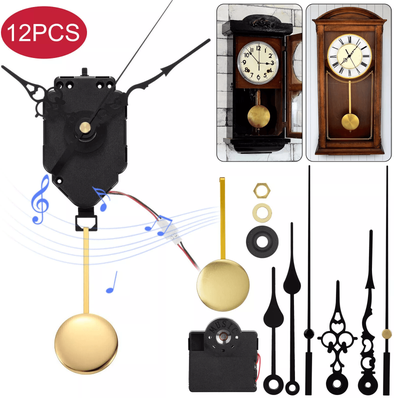
Drop Dash Deals DIY Pendulum Clock Mechanism, Replacement Movement Set With Music, Chime Box, And Clock Hands DIY Pendulum Clock Mechanism, Replacement Movement Set With Music, Chime Box, And Clock HandsElegant DIY Clock Movement Set: Enhance your home decor with this Replacement Wall Clock Movement Kit. It includes everything you need to create your own clock, including two pairs of clock hands, a chime box, and a pendulum. Perfect for those who...43,97 $*Shipping: 0,00 $Secure redirect to the provider
-
Uplift Essentials Coffee Culture Series Modern Espresso & Latte Canvas Art espresso 5 X 7 InCelebrate the art of the brew with our Coffee Culture Poster Series. This collection captures the sophisticated world of specialty coffeefrom the bold layers of an Espresso to the velvety texture of a Cortado. Featuring a blend of modern typography...49,97 $*Shipping: 0,00 $Secure redirect to the provider
-
Uplift Essentials Coffee Culture Series Modern Espresso & Latte Canvas Art cortado 16 X 20 InCelebrate the art of the brew with our Coffee Culture Poster Series. This collection captures the sophisticated world of specialty coffeefrom the bold layers of an Espresso to the velvety texture of a Cortado. Featuring a blend of modern typography...88,97 $*Shipping: 0,00 $Secure redirect to the provider
-
Uplift Essentials Coffee Culture Series Modern Espresso & Latte Canvas Art cortado 24 X 35 InCelebrate the art of the brew with our Coffee Culture Poster Series. This collection captures the sophisticated world of specialty coffeefrom the bold layers of an Espresso to the velvety texture of a Cortado. Featuring a blend of modern typography...131,97 $*Shipping: 0,00 $Secure redirect to the provider


-
Why are Japanese people so polite, Konnichiwa?
Japanese people are known for their politeness due to cultural values that emphasize respect, harmony, and consideration for others. The concept of "wa" or harmony is deeply ingrained in Japanese society, leading to a strong emphasis on maintaining positive relationships and avoiding conflict. Politeness is also seen as a way to show appreciation and consideration for others, reflecting the importance of social harmony in Japanese culture. Additionally, the use of polite language and gestures is a way to show humility and respect towards others, regardless of their social status. **
-
Why is "konnichiwa" written with the character "ha"?
"Konnichiwa" is written with the character "ha" in Japanese because the pronunciation of the character "ha" changes to "wa" when used as a particle in certain words. In this case, "ha" is used as a particle to indicate a greeting, and it is pronounced as "wa" in the word "konnichiwa." This change in pronunciation is a common feature in the Japanese language. **
-
What is the correct spelling: konnichiwa or konichiwa?
The correct spelling is "konnichiwa." This is the standard romanization of the Japanese word こんにちは, which is used to greet someone during the day. The double "n" in "konnichiwa" reflects the long vowel sound in the second syllable of the word. **
-
Why is "konnichiwa" written with a "w" and not with a "v"?
"Konnichiwa" is written with a "w" in the Romanized form because the Japanese language does not have a distinct "v" sound. The closest sound in Japanese to the English "v" is actually the "w" sound. Therefore, when transliterating Japanese words into the Roman alphabet, the "w" is used to represent the closest sound to the original Japanese pronunciation. **


Do you have good music for a contemporary dance performance?
Yes, I can provide a variety of music options that would be suitable for a contemporary dance performance. Whether you are looking for ambient electronic beats, emotional piano melodies, or experimental soundscapes, I can offer a selection of tracks that will complement the movements and themes of your performance. Just let me know the mood and atmosphere you are aiming for, and I can curate a playlist tailored to your needs. **
What is the art movement of Pop Art?
Pop Art is an art movement that emerged in the 1950s and 1960s in Britain and the United States. It is characterized by its use of popular culture imagery and themes from mass media, such as advertising, comic books, and consumer products. Pop Art often employs bright colors, bold shapes, and a sense of irony or humor in its works. Artists associated with Pop Art include Andy Warhol, Roy Lichtenstein, and Claes Oldenburg. **
Top-Angebote
Products related to Konnichiwa:
-
DynamicDeals Quartz Clock Movement Mechanism With Chime Music Box, DIY Replacement Repair Parts Kit, Pendulum Clock Movement For Wall Quartz Clock Movement Mechanism With Chime Music Box, DIY Replacement Repair Parts Kit, Pendulum Clock Movement For WallUpgrade and restore your favorite timepieces with our Quartz Clock Movement Mechanism featuring a Chime Music Box and DIY Replacement Repair Parts Kit. Designed for hobbyists, crafters, and clock repair professionals, this kit includes everything...41,97 $*Shipping: 0,00 $Secure redirect to the provider
-
Drop Dash Deals Pendulum Clock Movement Kit Chime Music Box Mechanism DIY Repair Parts For Wall Clocks Pendulum Clock Movement Kit Chime Music Box Mechanism DIY Repair Parts For Wall ClocksBring your cherished clock back to life with this 12pcs pendulum clock movement kit, designed for those who love DIY clock repair. Whether you're a hobbyist or just looking to restore a treasured timepiece, this kit offers everything you need,...49,97 $*Shipping: 0,00 $Secure redirect to the provider
-
Drop Dash Deals DIY Pendulum Clock Mechanism, Replacement Movement Set With Music, Chime Box, And Clock Hands DIY Pendulum Clock Mechanism, Replacement Movement Set With Music, Chime Box, And Clock HandsElegant DIY Clock Movement Set: Enhance your home decor with this Replacement Wall Clock Movement Kit. It includes everything you need to create your own clock, including two pairs of clock hands, a chime box, and a pendulum. Perfect for those who...43,97 $*Shipping: 0,00 $Secure redirect to the provider
-
Uplift Essentials Coffee Culture Series Modern Espresso & Latte Canvas Art espresso 5 X 7 InCelebrate the art of the brew with our Coffee Culture Poster Series. This collection captures the sophisticated world of specialty coffeefrom the bold layers of an Espresso to the velvety texture of a Cortado. Featuring a blend of modern typography...49,97 $*Shipping: 0,00 $Secure redirect to the provider
-
What do 'watashi' and 'konnichiwa' mean?
'Watashi' means 'I' or 'me' in Japanese and is a common way to refer to oneself. 'Konnichiwa' is a greeting in Japanese that is used during the daytime to say 'hello' or 'good afternoon'. Both of these words are commonly used in everyday conversations in Japan. **
-
"Instead of konnichiwa, konnichiha is used."
The statement is incorrect. "Konnichiwa" is the correct way to say "hello" in Japanese, used during the daytime. "Konnichiha" is not a standard greeting in Japanese and would be considered incorrect. It's important to use the correct form of greeting when speaking in Japanese to show respect and understanding of the language. **
-
Why are Japanese people so polite, Konnichiwa?
Japanese people are known for their politeness due to cultural values that emphasize respect, harmony, and consideration for others. The concept of "wa" or harmony is deeply ingrained in Japanese society, leading to a strong emphasis on maintaining positive relationships and avoiding conflict. Politeness is also seen as a way to show appreciation and consideration for others, reflecting the importance of social harmony in Japanese culture. Additionally, the use of polite language and gestures is a way to show humility and respect towards others, regardless of their social status. **
-
Why is "konnichiwa" written with the character "ha"?
"Konnichiwa" is written with the character "ha" in Japanese because the pronunciation of the character "ha" changes to "wa" when used as a particle in certain words. In this case, "ha" is used as a particle to indicate a greeting, and it is pronounced as "wa" in the word "konnichiwa." This change in pronunciation is a common feature in the Japanese language. **
Similar search terms for Konnichiwa
-
Uplift Essentials Coffee Culture Series Modern Espresso & Latte Canvas Art cortado 16 X 20 InCelebrate the art of the brew with our Coffee Culture Poster Series. This collection captures the sophisticated world of specialty coffeefrom the bold layers of an Espresso to the velvety texture of a Cortado. Featuring a blend of modern typography...88,97 $*Shipping: 0,00 $Secure redirect to the provider
-
Uplift Essentials Coffee Culture Series Modern Espresso & Latte Canvas Art cortado 24 X 35 InCelebrate the art of the brew with our Coffee Culture Poster Series. This collection captures the sophisticated world of specialty coffeefrom the bold layers of an Espresso to the velvety texture of a Cortado. Featuring a blend of modern typography...131,97 $*Shipping: 0,00 $Secure redirect to the provider
-
Uplift Essentials Coffee Culture Series Modern Espresso & Latte Canvas Art cortado 24 X 31 InCelebrate the art of the brew with our Coffee Culture Poster Series. This collection captures the sophisticated world of specialty coffeefrom the bold layers of an Espresso to the velvety texture of a Cortado. Featuring a blend of modern typography...121,97 $*Shipping: 0,00 $Secure redirect to the provider
-
Uplift Essentials Coffee Culture Series Modern Espresso & Latte Canvas Art espresso 20 X 28 InCelebrate the art of the brew with our Coffee Culture Poster Series. This collection captures the sophisticated world of specialty coffeefrom the bold layers of an Espresso to the velvety texture of a Cortado. Featuring a blend of modern typography...109,97 $*Shipping: 0,00 $Secure redirect to the provider
-
What is the correct spelling: konnichiwa or konichiwa?
The correct spelling is "konnichiwa." This is the standard romanization of the Japanese word こんにちは, which is used to greet someone during the day. The double "n" in "konnichiwa" reflects the long vowel sound in the second syllable of the word. **
-
Why is "konnichiwa" written with a "w" and not with a "v"?
"Konnichiwa" is written with a "w" in the Romanized form because the Japanese language does not have a distinct "v" sound. The closest sound in Japanese to the English "v" is actually the "w" sound. Therefore, when transliterating Japanese words into the Roman alphabet, the "w" is used to represent the closest sound to the original Japanese pronunciation. **
-
Do you have good music for a contemporary dance performance?
Yes, I can provide a variety of music options that would be suitable for a contemporary dance performance. Whether you are looking for ambient electronic beats, emotional piano melodies, or experimental soundscapes, I can offer a selection of tracks that will complement the movements and themes of your performance. Just let me know the mood and atmosphere you are aiming for, and I can curate a playlist tailored to your needs. **
-
What is the art movement of Pop Art?
Pop Art is an art movement that emerged in the 1950s and 1960s in Britain and the United States. It is characterized by its use of popular culture imagery and themes from mass media, such as advertising, comic books, and consumer products. Pop Art often employs bright colors, bold shapes, and a sense of irony or humor in its works. Artists associated with Pop Art include Andy Warhol, Roy Lichtenstein, and Claes Oldenburg. **
* All prices are inclusive of VAT and, if applicable, plus shipping costs. The offer information is based on the details provided by the respective shop and is updated through automated processes. Real-time updates do not occur, so deviations can occur in individual cases. ** Note: Parts of this content were created by AI.