Buy junba.net ?
We are moving the project
junba.net .
Are you interested in purchasing the domain
junba.net ?
domain@kv-gmbh.de · 0541-91531010
Buy junba.net ?
What is biomass and what does biomass production mean?
Biomass refers to organic materials that come from plants and animals, such as wood, crops, and agricultural residues. Biomass production involves growing and harvesting these organic materials to be used as a renewable energy source. This process can include cultivating energy crops, collecting agricultural waste, or using byproducts from forestry and other industries to generate heat, electricity, or biofuels. Biomass production is considered a sustainable alternative to fossil fuels because it can help reduce greenhouse gas emissions and promote energy independence. **
Which topic concerns biomass?
Biomass concerns the use of organic materials, such as wood, agricultural residues, and waste, to produce energy. It involves the conversion of these materials into biofuels, such as ethanol and biodiesel, as well as the direct combustion of biomass to generate heat and electricity. Biomass is a renewable and sustainable energy source that can help reduce greenhouse gas emissions and dependence on fossil fuels. **

Similar search terms for Biomass
Top-Angebote
Products related to Biomass:
-
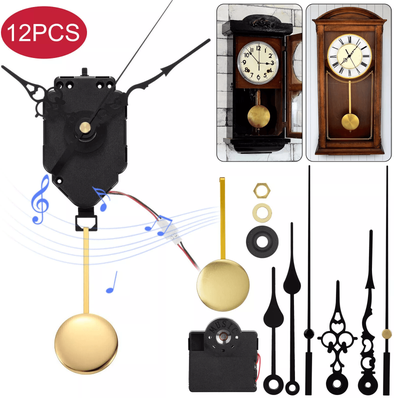
Drop Dash Deals DIY Pendulum Clock Mechanism, Replacement Movement Set With Music, Chime Box, And Clock Hands DIY Pendulum Clock Mechanism, Replacement Movement Set With Music, Chime Box, And Clock HandsElegant DIY Clock Movement Set: Enhance your home decor with this Replacement Wall Clock Movement Kit. It includes everything you need to create your own clock, including two pairs of clock hands, a chime box, and a pendulum. Perfect for those who...43,97 $*Shipping: 0,00 $Secure redirect to the provider
-
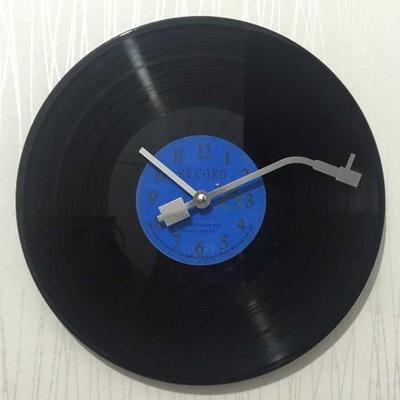
Everyday Crate Vintage Vinyl Record Wall Clock With Silent Movement Retro Music Decor blue NumbersWake up your walls with a piece of music history that tells more than just time. This vinyl record wall clock transforms authentic retro records into eyecatching dcor, making it perfect for music enthusiasts, collectors, and anyone who loves...49,97 $*Shipping: 0,00 $Secure redirect to the provider
-
Uplift Essentials Coffee Culture Series Modern Espresso & Latte Canvas Art cortado 16 X 20 InCelebrate the art of the brew with our Coffee Culture Poster Series. This collection captures the sophisticated world of specialty coffeefrom the bold layers of an Espresso to the velvety texture of a Cortado. Featuring a blend of modern typography...88,97 $*Shipping: 0,00 $Secure redirect to the provider
-
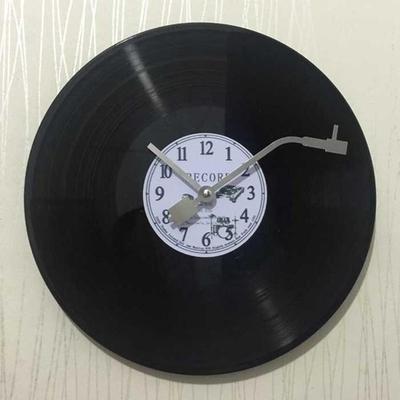
Everyday Crate Vintage Vinyl Record Wall Clock With Silent Movement Retro Music Decor white NumbersWake up your walls with a piece of music history that tells more than just time. This vinyl record wall clock transforms authentic retro records into eyecatching dcor, making it perfect for music enthusiasts, collectors, and anyone who loves...49,97 $*Shipping: 0,00 $Secure redirect to the provider


-
Is glucose converted into biomass?
Yes, glucose is converted into biomass through a process called biosynthesis. During biosynthesis, glucose is used as a source of carbon and energy to build complex molecules such as proteins, lipids, and nucleic acids that make up biomass. This conversion process is essential for the growth and reproduction of living organisms, including plants, animals, and microorganisms. **
-
What is a biomass pyramid?
A biomass pyramid is a graphical representation of the total amount of living organic matter at each trophic level in an ecosystem. It shows the relative amount of biomass (or energy) present at each level, with producers at the base and top-level consumers at the apex. The pyramid typically narrows as it goes up, reflecting the decrease in biomass and energy transfer as you move up the food chain. This visual representation helps to illustrate the flow of energy through an ecosystem and the relative importance of different trophic levels. **
-
Can someone explain the biomass pyramid to me?
The biomass pyramid is a graphical representation of the amount of biomass (organic matter) at each trophic level in an ecosystem. It is typically divided into three levels: producers (such as plants), primary consumers (herbivores), and secondary consumers (carnivores). The pyramid shape represents the decreasing amount of biomass as you move up the trophic levels, with producers having the most biomass and top predators having the least. This pyramid illustrates the concept of energy transfer and the inefficiency of energy transfer between trophic levels in an ecosystem. **
-
What should the presentation on energy from biomass include?
The presentation on energy from biomass should include an explanation of what biomass is and how it can be used as a renewable energy source. It should cover the different types of biomass, such as wood, agricultural residues, and organic waste, and discuss the process of converting biomass into energy through methods like combustion, gasification, and anaerobic digestion. Additionally, the presentation should address the environmental benefits of using biomass for energy, such as reducing greenhouse gas emissions and promoting sustainable land management practices. **


How should I explain the biomass here? See picture.
The biomass in the picture appears to be a measure of the total amount of living organisms in a given area. It represents the combined weight of all living organisms, including plants, animals, and microorganisms. Biomass is an important indicator of the health and productivity of an ecosystem, as it reflects the energy available at each trophic level. In this context, you can explain biomass as a quantitative measure of the biological material present in the ecosystem, highlighting its role in energy transfer and nutrient cycling. **
How does the carbon cycle work in dead biomass?
When plants and animals die, their organic matter becomes dead biomass. This dead biomass is broken down by decomposers such as bacteria and fungi, which release carbon dioxide back into the atmosphere through the process of decomposition. Some of the carbon from the dead biomass may also be stored in the soil as organic matter, where it can remain for long periods of time. Ultimately, the carbon from dead biomass is recycled back into the atmosphere and the soil, contributing to the carbon cycle. **
Top-Angebote
Products related to Biomass:
-
DynamicDeals Quartz Clock Movement Mechanism With Chime Music Box, DIY Replacement Repair Parts Kit, Pendulum Clock Movement For Wall Quartz Clock Movement Mechanism With Chime Music Box, DIY Replacement Repair Parts Kit, Pendulum Clock Movement For WallUpgrade and restore your favorite timepieces with our Quartz Clock Movement Mechanism featuring a Chime Music Box and DIY Replacement Repair Parts Kit. Designed for hobbyists, crafters, and clock repair professionals, this kit includes everything...41,97 $*Shipping: 0,00 $Secure redirect to the provider
-
Drop Dash Deals Pendulum Clock Movement Kit Chime Music Box Mechanism DIY Repair Parts For Wall Clocks Pendulum Clock Movement Kit Chime Music Box Mechanism DIY Repair Parts For Wall ClocksBring your cherished clock back to life with this 12pcs pendulum clock movement kit, designed for those who love DIY clock repair. Whether you're a hobbyist or just looking to restore a treasured timepiece, this kit offers everything you need,...49,97 $*Shipping: 0,00 $Secure redirect to the provider
-
Drop Dash Deals DIY Pendulum Clock Mechanism, Replacement Movement Set With Music, Chime Box, And Clock Hands DIY Pendulum Clock Mechanism, Replacement Movement Set With Music, Chime Box, And Clock HandsElegant DIY Clock Movement Set: Enhance your home decor with this Replacement Wall Clock Movement Kit. It includes everything you need to create your own clock, including two pairs of clock hands, a chime box, and a pendulum. Perfect for those who...43,97 $*Shipping: 0,00 $Secure redirect to the provider
-
Everyday Crate Vintage Vinyl Record Wall Clock With Silent Movement Retro Music Decor blue NumbersWake up your walls with a piece of music history that tells more than just time. This vinyl record wall clock transforms authentic retro records into eyecatching dcor, making it perfect for music enthusiasts, collectors, and anyone who loves...49,97 $*Shipping: 0,00 $Secure redirect to the provider
-
What is biomass and what does biomass production mean?
Biomass refers to organic materials that come from plants and animals, such as wood, crops, and agricultural residues. Biomass production involves growing and harvesting these organic materials to be used as a renewable energy source. This process can include cultivating energy crops, collecting agricultural waste, or using byproducts from forestry and other industries to generate heat, electricity, or biofuels. Biomass production is considered a sustainable alternative to fossil fuels because it can help reduce greenhouse gas emissions and promote energy independence. **
-
Which topic concerns biomass?
Biomass concerns the use of organic materials, such as wood, agricultural residues, and waste, to produce energy. It involves the conversion of these materials into biofuels, such as ethanol and biodiesel, as well as the direct combustion of biomass to generate heat and electricity. Biomass is a renewable and sustainable energy source that can help reduce greenhouse gas emissions and dependence on fossil fuels. **
-
Is glucose converted into biomass?
Yes, glucose is converted into biomass through a process called biosynthesis. During biosynthesis, glucose is used as a source of carbon and energy to build complex molecules such as proteins, lipids, and nucleic acids that make up biomass. This conversion process is essential for the growth and reproduction of living organisms, including plants, animals, and microorganisms. **
-
What is a biomass pyramid?
A biomass pyramid is a graphical representation of the total amount of living organic matter at each trophic level in an ecosystem. It shows the relative amount of biomass (or energy) present at each level, with producers at the base and top-level consumers at the apex. The pyramid typically narrows as it goes up, reflecting the decrease in biomass and energy transfer as you move up the food chain. This visual representation helps to illustrate the flow of energy through an ecosystem and the relative importance of different trophic levels. **
Similar search terms for Biomass
-
Uplift Essentials Coffee Culture Series Modern Espresso & Latte Canvas Art cortado 16 X 20 InCelebrate the art of the brew with our Coffee Culture Poster Series. This collection captures the sophisticated world of specialty coffeefrom the bold layers of an Espresso to the velvety texture of a Cortado. Featuring a blend of modern typography...88,97 $*Shipping: 0,00 $Secure redirect to the provider
-
Everyday Crate Vintage Vinyl Record Wall Clock With Silent Movement Retro Music Decor white NumbersWake up your walls with a piece of music history that tells more than just time. This vinyl record wall clock transforms authentic retro records into eyecatching dcor, making it perfect for music enthusiasts, collectors, and anyone who loves...49,97 $*Shipping: 0,00 $Secure redirect to the provider
-
Uplift Essentials Coffee Culture Series Modern Espresso & Latte Canvas Art cortado 24 X 35 InCelebrate the art of the brew with our Coffee Culture Poster Series. This collection captures the sophisticated world of specialty coffeefrom the bold layers of an Espresso to the velvety texture of a Cortado. Featuring a blend of modern typography...131,97 $*Shipping: 0,00 $Secure redirect to the provider
-
Uplift Essentials Coffee Culture Series Modern Espresso & Latte Canvas Art espresso 12 X 16 InCelebrate the art of the brew with our Coffee Culture Poster Series. This collection captures the sophisticated world of specialty coffeefrom the bold layers of an Espresso to the velvety texture of a Cortado. Featuring a blend of modern typography...83,99 $*Shipping: 0,00 $Secure redirect to the provider
-
Can someone explain the biomass pyramid to me?
The biomass pyramid is a graphical representation of the amount of biomass (organic matter) at each trophic level in an ecosystem. It is typically divided into three levels: producers (such as plants), primary consumers (herbivores), and secondary consumers (carnivores). The pyramid shape represents the decreasing amount of biomass as you move up the trophic levels, with producers having the most biomass and top predators having the least. This pyramid illustrates the concept of energy transfer and the inefficiency of energy transfer between trophic levels in an ecosystem. **
-
What should the presentation on energy from biomass include?
The presentation on energy from biomass should include an explanation of what biomass is and how it can be used as a renewable energy source. It should cover the different types of biomass, such as wood, agricultural residues, and organic waste, and discuss the process of converting biomass into energy through methods like combustion, gasification, and anaerobic digestion. Additionally, the presentation should address the environmental benefits of using biomass for energy, such as reducing greenhouse gas emissions and promoting sustainable land management practices. **
-
How should I explain the biomass here? See picture.
The biomass in the picture appears to be a measure of the total amount of living organisms in a given area. It represents the combined weight of all living organisms, including plants, animals, and microorganisms. Biomass is an important indicator of the health and productivity of an ecosystem, as it reflects the energy available at each trophic level. In this context, you can explain biomass as a quantitative measure of the biological material present in the ecosystem, highlighting its role in energy transfer and nutrient cycling. **
-
How does the carbon cycle work in dead biomass?
When plants and animals die, their organic matter becomes dead biomass. This dead biomass is broken down by decomposers such as bacteria and fungi, which release carbon dioxide back into the atmosphere through the process of decomposition. Some of the carbon from the dead biomass may also be stored in the soil as organic matter, where it can remain for long periods of time. Ultimately, the carbon from dead biomass is recycled back into the atmosphere and the soil, contributing to the carbon cycle. **
* All prices are inclusive of VAT and, if applicable, plus shipping costs. The offer information is based on the details provided by the respective shop and is updated through automated processes. Real-time updates do not occur, so deviations can occur in individual cases. ** Note: Parts of this content were created by AI.